



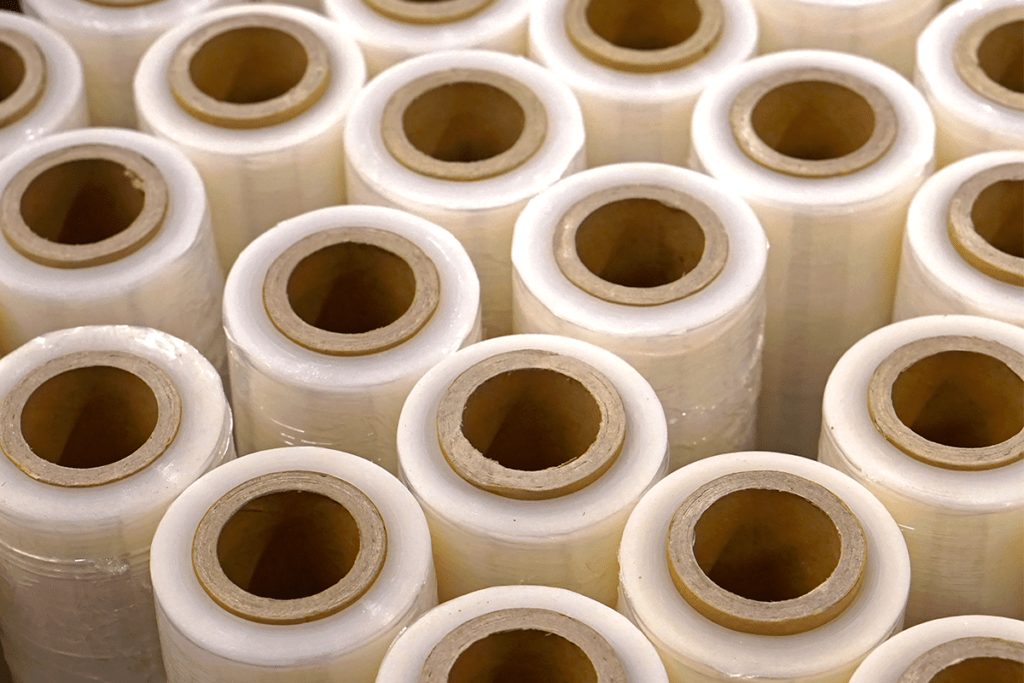
Stretch film plays a critical role in protecting products during storage, handling, and transportation. Whether you’re shipping pallets across the country or organizing inventory in a warehouse, choosing the right stretch film for wrapping helps keep loads stable, reduces product damage, and minimizes packaging costs. However, selecting the correct stretch film gauge isn’t always straightforward. A film that’s too thin may tear under pressure, while one that’s too thick can increase material costs without adding meaningful protection.
In this guide, you’ll learn what stretch film gauge means, how it affects performance, and how to choose the right option for your specific packaging needs.
What Is Stretch Film Gauge?
Stretch film gauge refers to the thickness of the stretch film. Traditionally, gauge has been used in the United States to describe film thickness, while microns are commonly used internationally.
In general:
- A higher gauge means a thicker film.
- A lower gauge means a thinner film.
- Film thickness directly impacts strength, puncture resistance, and load-holding capability.
Choosing the right gauge ensures your products remain secure without using more material than necessary.
Stretch Film Gauge Conversion Chart
| Gauge | Approximate Thickness (Mil) | Approximate Thickness (Microns) | Recommended Applications |
| 47 Gauge | 0.47 mil | 12 microns | Light loads, lightweight cartons |
| 60 Gauge | 0.60 mil | 15 microns | Small, stable pallet loads |
| 70 Gauge | 0.70 mil | 18 microns | Medium-weight products |
| 80 Gauge | 0.80 mil | 20 microns | Standard warehouse applications |
| 90 Gauge | 0.90 mil | 23 microns | Heavier pallets |
| 100 Gauge | 1.00 mil | 25 microns | Heavy industrial loads |
| 120 Gauge | 1.20 mil | 30 microns | Sharp or irregular products |
Why Choosing the Right Stretch Film Gauge Matters
Selecting the proper gauge affects more than just packaging costs.
The correct stretch film helps:
- Secure pallet loads during transportation
- Prevent shifting and collapsing
- Reduce product damage
- Improve warehouse efficiency
- Lower overall packaging expenses
- Reduce film waste
Using an unnecessarily thick film increases costs, while using one that’s too thin may lead to broken pallets, damaged products, and customer complaints.
Factors to Consider When Choosing Stretch Film Gauge
1. Load Weight
The weight of your pallet is one of the biggest factors when selecting stretch film.
Light Loads
Ideal for:
- Apparel
- Empty boxes
- Paper products
- Plastic containers
Recommended gauge:
- 47–60 Gauge
Medium Loads
Ideal for:
- Consumer goods
- Food products
- Retail inventory
- Household items
Recommended gauge:
- 70–80 Gauge
Heavy Loads
Ideal for:
- Building materials
- Industrial equipment
- Automotive parts
- Large machinery components
Recommended gauge:
- 90–120 Gauge
2. Load Stability
Ask yourself:
- Is the pallet evenly stacked?
- Does it have overhanging boxes?
- Are products loosely packed?
Stable loads can usually use thinner films.
Unstable loads require thicker stretch film with better holding force.
3. Product Shape
Products with sharp edges create stress points that can puncture film.
Examples include:
- Metal components
- Lumber
- Furniture
- Machinery
- Pipe fittings
These products typically require thicker gauges with higher puncture resistance.
4. Shipping Distance
Local deliveries may not require the same level of protection as long-distance shipments.
For longer transportation routes, consider:
- Higher gauge film
- Better load containment
- Increased tear resistance
Long transit times expose pallets to vibration, movement, and repeated handling.
5. Storage Conditions
Consider where your products will be stored.
Questions to ask include:
- Will pallets remain outdoors?
- Are they exposed to humidity?
- Will they be stacked for extended periods?
Challenging environments often require stronger stretch film to maintain load integrity.
Common Stretch Film Gauges and Their Uses
47 Gauge
Best for:
- Lightweight packages
- Small cartons
- Low-weight pallet loads
Advantages:
- Lower material costs
- Easy to apply
- Suitable for stable loads
60 Gauge
Best for:
- Small warehouse shipments
- Consumer goods
- Retail products
Advantages:
- Good balance between cost and performance
- Works well with lighter pallets
70 Gauge
Best for:
- Medium-duty shipping
- General warehouse applications
Advantages:
- Better puncture resistance
- Improved load retention
80 Gauge
The industry standard.
Best for:
- Most warehouse pallets
- Distribution centers
- Manufacturing facilities
Advantages:
- Excellent versatility
- Suitable for many industries
- Strong load containment
90–120 Gauge
Best for:
- Heavy industrial loads
- Sharp-edged products
- Export shipments
Advantages:
- Maximum strength
- High puncture resistance
- Better protection for demanding applications
Signs You’re Using the Wrong Stretch Film Gauge
Watch for these common issues:
Film tears during wrapping
The film may be too thin.
Excessive film usage
You may be wrapping multiple extra layers because the gauge is insufficient.
Pallets shift during transport
The film may not provide adequate holding force.
Higher packaging costs
Using an unnecessarily thick film increases material expenses.
Damaged products
Incorrect gauge selection often leads to unstable loads and shipping damage.
Machine Stretch Film vs Hand Stretch Film
Gauge selection also depends on your wrapping method.
Hand Stretch Film
Suitable for:
- Small businesses
- Low-volume operations
- Occasional pallet wrapping
Common gauges:
- 60–80 Gauge
Machine Stretch Film
Suitable for:
- High-volume warehouses
- Distribution centers
- Manufacturing plants
Common gauges:
- 80–120 Gauge
Machine-applied film provides more consistent stretch, better load containment, and improved material efficiency.
Tips for Choosing the Right Stretch Film
Before purchasing stretch film, consider these best practices:
- Determine the average weight of your loads.
- Evaluate whether loads are stable or irregular.
- Check for sharp edges that could puncture the film.
- Consider shipping distance and handling conditions.
- Avoid selecting thicker film unless it’s necessary.
- Test different gauges to find the most cost-effective option.
- Match the film type to your wrapping equipment.
Choosing the correct gauge can reduce material waste while maintaining reliable load protection.
Frequently Asked Questions
What does stretch film gauge mean?
Stretch film gauge refers to the thickness of the film. Thicker gauges generally provide greater strength, puncture resistance, and load-holding capability.
Is a higher stretch film gauge always better?
No. A higher gauge offers increased strength but also uses more material and costs more. The ideal gauge depends on your load weight, stability, and shipping requirements.
What is the most commonly used stretch film gauge?
80 gauge is the most widely used option because it provides a good balance of strength, flexibility, and cost for standard pallet loads.
Can thinner stretch film replace thicker film?
Modern high-performance stretch films often deliver similar load containment at a lower gauge, but the right choice depends on your application and load characteristics.
How do I know if my stretch film is too thin?
Frequent tearing, poor load stability, excessive wrapping layers, and shifting pallets are common signs that you may need a stronger gauge.
Conclusion
Choosing the right stretch film gauge is essential for protecting your products, reducing packaging costs, and ensuring safe transportation. By considering factors such as load weight, stability, product shape, shipping distance, and storage conditions, you can select a film that provides the right balance of strength and efficiency. Rather than assuming thicker is always better, match the gauge to your specific application for the best results.
Whether you’re wrapping lightweight retail products or heavy industrial pallets, investing in the right stretch film helps improve operational efficiency and minimize damage throughout the supply chain. If you’re looking for dependable stretch film for wrapping and expert guidance on selecting the right packaging solution, Starboxes offers a wide range of high-quality stretch films designed to meet the needs of warehouses, manufacturers, and e-commerce businesses.