

Buying a new saddle can be an important investment for trail riders, ranch hands, barrel racers, competitors, and everyday horse owners. A new model offers fresh materials, unworn rigging, and the chance to select features that match the rider’s discipline. However, appearance and price should never outweigh horse fit, rider balance, construction quality, and intended use.
A saddle affects how the rider sits, how the horse moves, and how clearly they communicate. Even a well-made saddle can create discomfort if its tree, bars, skirt, or seat do not suit the horse and rider.
Taking time to compare the right details before buying can lead to better comfort, safer riding, and stronger long-term value.
Start with the Type of Riding You Do
Western saddles are built for different jobs. The style you choose should match the activity you perform most often.
Trail saddles usually focus on comfort over distance, manageable weight, and places to attach gear. Ranch saddles are designed for long working days and general cattle work. Roping saddles need strong trees, horns, and rigging that can handle added strain.
Barrel saddles are generally lighter and shaped to support quick turns, acceleration, and rider security. Show saddles often place more attention on tooling, silver, and arena presentation. Pleasure saddles may suit relaxed riding, light trail use, and general arena work.
Buying one saddle for every possible activity may sound practical, but highly specialized disciplines often need specific features. Start with your main use and treat occasional riding needs as secondary.
Make Horse Fit the First Priority
The saddle must fit the horse before it can work well for the rider. Poor fit may create uneven pressure, soreness, restricted movement, white hairs, or changes in behavior.
Tree width and bar angle should match the horse’s back shape. A saddle that is too narrow may pinch, while one that is too wide may sit too low or tip forward.
Gullet clearance should be checked around the withers, but visible space alone does not confirm correct fit. The bars should make even contact along the back without bridging or rocking.
Skirt length also matters. Short-backed horses may need a more compact design so the saddle does not extend into the loin area.
The horse should have enough shoulder freedom to move naturally, especially during turns, climbing, cattle work, or speed events. When possible, test the saddle on the horse before making a final decision.
Check Rider Fit and Balance
The rider should feel centered, secure, and able to move naturally. Seat size is one of the first details to review.
A seat that is too small may push the rider against the fork or cantle. A seat that is too large may make it difficult to remain stable during quick movement.
Cantle height affects how secure or open the seat feels. Barrel riders may prefer a higher cantle, while some trail or pleasure riders may want a more relaxed seat.
Stirrup position should allow the legs to hang naturally. If the stirrups sit too far forward, the rider may struggle to stay centered. Fender length should also provide enough adjustment for the rider’s leg.
Horn placement matters in disciplines where riders use it for support or ranch work. The rider should be able to reach it without leaning into an awkward position.
Review Construction and Materials
A new saddle should be inspected carefully even though it has not been used. Start with the tree, which forms the foundation of the saddle. It should suit the intended discipline and feel solid.
Leather quality affects durability, appearance, and how the saddle breaks in. Good leather should feel firm and substantial without appearing brittle or poorly finished.
Stitching should be even and secure around the skirts, jockeys, fenders, seat, and rigging. High-stress areas deserve extra attention because loose stitching can become a problem with regular use.
Rigging should match the type of riding. Ranch and roping work may require stronger construction than casual pleasure riding. Hardware should feel secure and properly fitted.
Check the fleece or underside for even coverage and clean construction. The horn, stirrups, conchos, and edges should also be reviewed for workmanship.
Understand the Break-In Period
New leather often feels firmer than leather on a used saddle. A short break-in period is normal, but the saddle should still feel reasonably comfortable and balanced from the beginning.
Riders should start with shorter sessions before using a new saddle for a long trail ride, full ranch day, or competition. This gives both horse and rider time to adjust.
Leather conditioner may help keep the material supple, but products should be used according to the saddle maker’s guidance. Some treatments can darken leather or affect the finish.
Avoid trying to soften a saddle quickly with excessive oil, water, or heat. Harsh methods can damage the leather or weaken certain parts.
The saddle should be checked again after several rides. Settling leather, adjusted rigging, and normal use may reveal fit details that were not obvious during the first trial.
Compare Features Without Overlooking Basics
Decorative tooling, color, silver, and brand reputation may influence the buying decision, but the basic structure still matters most.
A visually impressive saddle that does not fit the horse will not become a good purchase. The same applies to a model that feels comfortable to the rider but creates uneven pressure on the horse.
Weight is another consideration. A heavier saddle may provide a substantial working feel, while a lighter saddle may be easier to lift and better suited to speed events or frequent trail use.
Warranty terms, return policies, and trial conditions should also be reviewed. A clear policy can be helpful if the saddle does not fit as expected.
Plan for Long-Term Care
A new saddle needs regular care from the beginning. Dust and dirt should be removed after riding, especially around folds, stitching, and rigging.
Leather should be conditioned as needed rather than on a fixed excessive schedule. Over-conditioning can make leather too soft or attract more dirt.
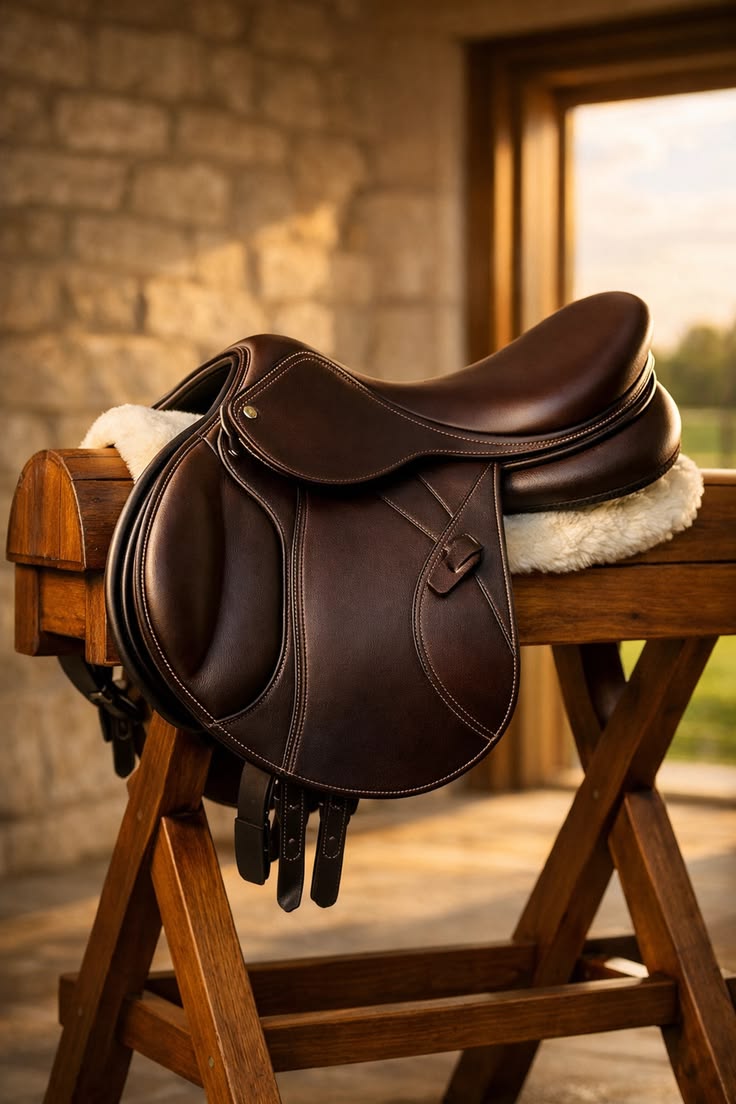
The saddle should be stored on a proper stand in a dry, ventilated area. Avoid leaving it in direct sunlight, damp tack rooms, or hot vehicles for long periods.
Routine checks of the rigging, stirrup leathers, hardware, stitching, and tree can help identify wear before it becomes a safety concern.
Final Thoughts
Choosing a new saddle requires more than selecting a preferred color or design. The right saddle should match the rider’s discipline, fit the horse evenly, place the rider in a balanced position, and use materials suited to regular riding. Careful comparison before purchase can help riders find a saddle that remains comfortable and dependable for years.
For riders comparing new western saddles, tack, and riding equipment for trail, ranch, barrel, show, and recreational use, Saddle Up Colorado offers options for different horses, riders, and disciplines. Visit the website to find a saddle suited to your next ride.