



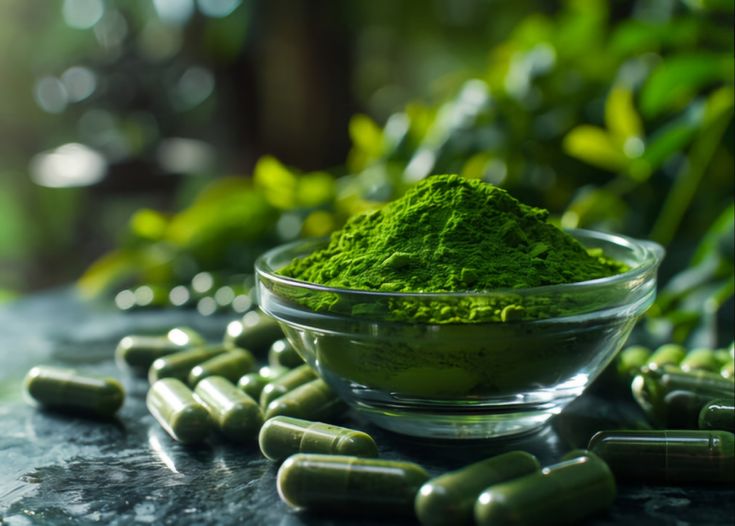
Spirulina has become a familiar option among people looking for plant-based foods and supplements that are easy to add to daily life. For health-conscious women, busy professionals, older adults, vegetarians, and vegans, organic spirulina tablets provide a measured format that requires no blending, scooping, or recipe preparation.
Spirulina is a type of blue-green algae, also known as cyanobacteria, that is sold in powders and tablets. It naturally contains protein and several pigments and nutrients. However, it should be viewed as a dietary supplement rather than a replacement for vegetables, fruits, whole grains, or varied protein sources.
The tablet format may suit people who want to include spirulina in a straightforward routine while avoiding the strong taste and preparation associated with powder.
What Is Spirulina?
Spirulina grows naturally in water and has a long history of use as food. Today, it is cultivated, dried, and sold as powder, flakes, capsules, or compressed tablets.
One reason spirulina attracts attention is its plant-based protein content. It contains all nine essential amino acids, although the amount supplied by a standard tablet serving is generally much smaller than the protein found in a complete meal.
Spirulina also contains naturally occurring pigments, including phycocyanin and carotenoids. These compounds contribute to its deep blue-green color.
While spirulina may contribute nutrients to a balanced diet, shoppers should be cautious about products that promise to cure disease, replace medicine, or produce immediate results. Nutrition supplements work best when they support sound daily habits rather than stand in for them.
Why Choose Tablets Instead of Powder?
Spirulina powder can be mixed into smoothies, juices, yogurt, or other foods. This approach gives users flexibility, but the powder has a distinct earthy taste and aroma that some people find difficult.
Tablets provide a different experience. They can be swallowed with water and carried in a work bag, travel case, or desk drawer. There is no need to clean a blender or measure a loose powder.
A tablet also provides a consistent amount per piece. Users can follow the serving instructions without estimating a scoop.
The better format depends on personal preference. Powder may suit people who already make smoothies every day. Tablets may suit those who want less preparation and little exposure to the taste.
Convenience can matter because a supplement is only useful as part of a routine when the person remembers and feels comfortable taking it.
What Does Organic Certification Mean?
An organic label relates to how the spirulina was produced and handled under the requirements of the relevant certification program. It does not mean the product will be suitable for every person or that it can treat a medical condition.
Buyers should look for clear certification details rather than relying only on the word “organic” in a large headline. The package should identify the certifying body where applicable and provide an ingredient list that is easy to read.
Ingredient simplicity is another consideration. Some tablets contain only spirulina, while others may include binders, coatings, flavors, sweeteners, or additional nutrients.
Extra ingredients are not automatically bad, but customers should know what they are taking. People with allergies or dietary restrictions should check the full label carefully.
Why Product Testing and Sourcing Matter
Blue-green algae supplements need careful sourcing because poor-quality products may be exposed to unwanted contaminants. Buyers should choose a manufacturer that provides clear information about sourcing, production, and quality testing.
A low price should not be the only factor. Testing, handling, packaging, and storage practices all contribute to product quality.
The container should arrive properly sealed and include a lot number, expiration or best-by date, serving directions, and storage guidance. Missing or unclear information can make it harder to judge the product.
Customers should also be cautious with supplements from unknown sellers or packages that appear damaged, open, damp, or improperly labeled.
How to Add Spirulina Tablets to Your Routine
Begin by reading the serving directions on the product label. Do not assume that every spirulina product has the same tablet size or suggested serving.
People new to spirulina may prefer to begin gradually within the label directions so they can observe how their body responds. Taking the tablets with water or alongside a meal may feel more comfortable for some users.
Keep the container in a cool, dry location away from direct sunlight and humidity. Always close the lid tightly and avoid storing supplements in a steamy bathroom.
It can also help to connect the tablets with an existing habit, such as breakfast or another daily supplement. A regular cue makes the routine easier to remember.
Spirulina should not replace a meal or become the only plant-based food in the diet. Vegetables, fruits, legumes, whole grains, nuts, seeds, and varied protein sources still provide a broader range of nutrients and fiber.
Who Should Use Extra Caution?
Not every supplement is right for every person. People who are pregnant, nursing, taking prescription medicine, managing an autoimmune condition, or living with a chronic illness should speak with a qualified healthcare professional before taking spirulina.
Those with algae allergies or sensitivities should avoid experimenting without professional guidance. Anyone who develops a rash, breathing difficulty, severe stomach discomfort, swelling, or another concerning reaction should stop using the product and seek appropriate care.
People with phenylketonuria should also ask a clinician before using spirulina because it contains the amino acid phenylalanine.
A healthcare professional can also help assess whether a supplement could interact with medication or conflict with an existing treatment plan.
Setting Realistic Expectations
Spirulina is sometimes marketed with broad promises related to energy, immunity, weight, skin, or general health. Shoppers should treat such claims carefully.
No tablet can compensate for inadequate sleep, a very limited diet, chronic dehydration, or lack of medical care. Spirulina is better understood as one possible addition to a balanced eating pattern.
Progress in wellness usually comes from repeatable habits such as regular meals, movement, sleep, stress management, and appropriate professional care. Supplements may support that foundation, but they should not become the foundation themselves.
Final Thoughts
Organic spirulina tablets offer a convenient way to use spirulina without measuring powder or dealing with its strong flavor. The best products provide clear organic certification, simple ingredient information, quality testing, serving directions, and secure packaging. Users should follow the label, maintain a varied diet, and seek medical guidance when health conditions or medications are involved.
For wellness-focused adults looking for a one-ingredient spirulina tablet with no listed fillers or additives, BioOptimal Supplements offers a USDA Organic option in a portable tablet format. Visit the website to review the label, available quantities, and suggested use before adding it to your routine.