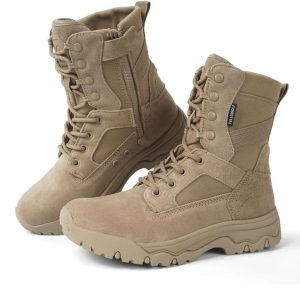


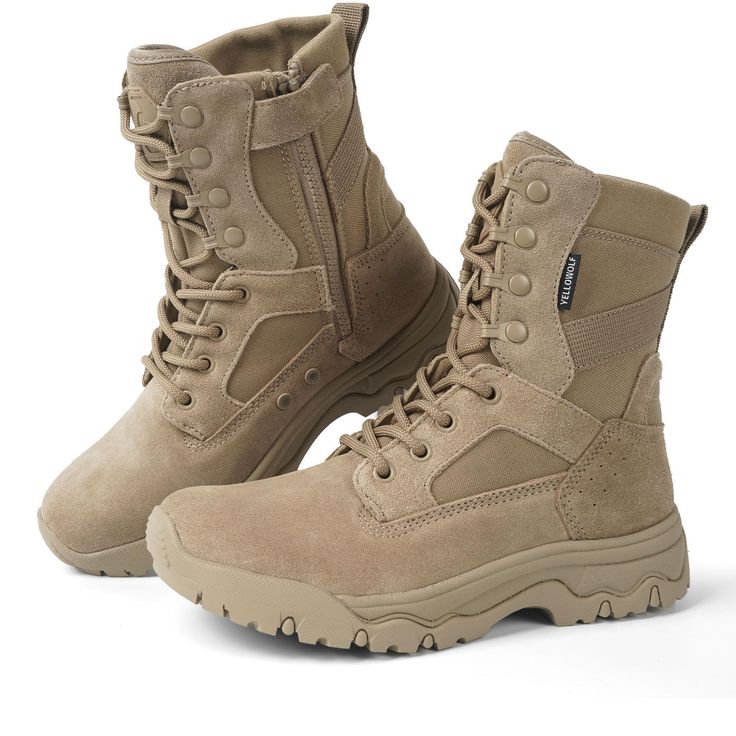
Tactical footwear needs to support quick movement, long periods of standing, changing terrain, and demanding work conditions. For law enforcement professionals, security teams, outdoor workers, hikers, and active users, lightweight tactical boots can help reduce unnecessary foot fatigue while still providing ankle support, traction, and durability.
Lower weight does not automatically make a tactical boot better. A boot must still feel stable, fit securely, and match the surfaces and weather conditions in which it will be worn. A poorly built lightweight boot may wear out quickly or fail to provide enough support during long shifts.
The right pair should balance low weight with dependable construction and everyday comfort.
Why Boot Weight Matters
Every step requires the wearer to lift the weight of the boot. Over a full shift, long hike, or active workday, that repeated effort can add to fatigue.
Heavy footwear may feel secure, but it can slow movement and make walking, climbing stairs, crouching, or getting in and out of vehicles more tiring. This is especially noticeable for people who spend many hours on foot.
Lighter boots may help movement feel more natural. They can be useful for patrol, security, warehouse work, travel, hiking, and outdoor tasks where the wearer needs to stay mobile.
However, total boot weight depends on several parts, including the upper, outsole, toe protection, insulation, and waterproofing. Buyers should consider the complete design rather than one marketing claim.
Look for Support Without Excess Bulk
A tactical boot should hold the foot securely even when it uses lighter materials. Ankle support, heel structure, and midfoot fit all matter.
The heel should remain in place during walking and quick direction changes. Excessive heel slip can cause blisters and make the boot feel unstable.
Ankle support should feel firm without restricting movement. A boot that is too stiff can make running, climbing, or crouching uncomfortable. A boot that is too soft may not provide enough structure on uneven ground.
The midsole also affects support. It should absorb impact while keeping the foot stable. Excessively soft cushioning may feel comfortable at first but can reduce control during fast movement.
A secure lacing system helps the wearer adjust fit across the instep and ankle. Side zippers may add convenience, but they should not replace a properly adjusted lace fit.
Check Traction and Outsole Design
The outsole should match the conditions in which the boots will be used. Tactical footwear may move across pavement, tile, concrete, gravel, grass, mud, and wet surfaces during the same day.
Slip-resistant tread can be helpful for indoor duty, warehouses, hospitals, schools, and public buildings. Deeper lugs may offer better grip on dirt, trails, loose ground, and outdoor work areas.
A flexible forefoot helps the boot move naturally while walking or running. The sole should bend near the ball of the foot rather than remaining completely rigid.
Abrasion resistance is also important. A lightweight outsole still needs to handle repeated contact with rough surfaces, ladders, curbs, and equipment.
Buyers should check whether the tread provides enough grip without holding excessive mud or debris.
Balance Breathability and Weather Protection
Breathable materials can help reduce heat and moisture during active use. Mesh panels and lighter synthetic uppers may feel more comfortable in warm climates or indoor work settings.
Waterproof construction can be useful in rain, wet grass, shallow puddles, or muddy conditions. However, waterproof membranes may reduce airflow and make the boot feel warmer.
The best choice depends on the climate and assignment. Someone working mostly indoors may prefer ventilation over full waterproofing. An outdoor worker or hiker may place greater value on keeping water out.
Cold-weather users may need insulation, but added insulation increases weight and can reduce toe room when worn with thick socks.
No single boot suits every season. Some users may benefit from separate warm-weather and wet-weather pairs.
Match the Boot to the Activity
Law enforcement and security personnel may need black, polishable, or uniform-approved tactical boots. Comfort during standing, vehicle duty, foot patrol, and quick response should guide the choice.
Warehouse and industrial workers may need slip resistance, cushioning for concrete floors, and safety toe protection. A composite toe may help keep weight lower than some traditional steel toe designs.
Hikers and outdoor users should focus on traction, ankle stability, weather protection, and underfoot comfort. Trail conditions may require deeper tread than urban duty work.
Travelers may value lightweight construction because the boots are easier to pack and more comfortable during long walking days.
Choosing for the main activity prevents unnecessary features from adding weight without providing a useful benefit.
Review Fit and Toe Room
A lightweight boot can still become uncomfortable if the fit is wrong. The heel and midfoot should feel secure, while the toes should have enough room to move naturally.
Width matters as much as length. A narrow boot can create pressure and numbness, while an overly wide boot may allow the foot to slide.
Try boots with the socks normally worn for work or outdoor use. Thick tactical or hiking socks can change the fit around the toe box and instep.
The toes should not strike the front during downhill movement, stair descent, or sudden stops. If they do, the boot may be too short or loose around the heel.
Some boots need a brief break-in period, but sharp pain or numbness usually indicates a sizing problem.
Consider Safety and Workplace Requirements
Some jobs require specific safety ratings. These may include steel, composite, or alloy toe protection, electrical hazard protection, puncture resistance, or slip-resistant soles.
Safety features can add weight, but they should not be removed from the decision when the job requires them. A lighter boot that does not meet workplace rules is not a suitable choice.
Uniform policies may also affect color, shaft height, polishability, and visible branding. Buyers should check employer requirements before purchasing.
Outdoor users should consider toe and heel reinforcement, especially when walking through rocky areas or working around equipment.
Check Construction and Durability
Lightweight materials still need strong stitching, secure bonding, and reinforcement in high-wear areas.
Inspect the toe, heel, flex points, eyelets, zipper, and outsole connection. These areas often show wear first.
Leather and synthetic combinations can provide a balance between structure and low weight. Full-leather boots may offer a more traditional duty appearance but can feel heavier.
Regular cleaning and proper drying can help preserve the boots. Wet footwear should air-dry at room temperature rather than near direct heat.
Replace the boots when the tread is worn smooth, the midsole feels compressed, the upper loses support, or the sole begins separating.
Final Thoughts
Lightweight tactical boots can support mobility and reduce fatigue during patrol, security work, hiking, travel, and active outdoor use. The best pair should still provide secure fit, ankle support, reliable traction, suitable weather protection, and any safety features required for the job. Boot weight matters, but it should always be considered alongside construction and fit.
For men looking for tactical footwear, police boots, work boots, hiking styles, and duty-ready options, BootsPlusMore offers footwear for different assignments, climates, and daily routines. Visit the website to find boots suited to active work and long hours on your feet.