



Clutter can feel like a weight you carry everywhere. The hard part is knowing whether you can tackle it yourself or need a trained crew. DIY decluttering means sorting, tossing, and organizing on your own, at your own pace. Professional Hoarding Cleaning Services are specialized teams trained to handle severe clutter, safety hazards, and the emotions tied to it. The two are worlds apart in scale, safety, and support. Knowing which one fits your situation can save you time, money, and a lot of stress. It can also protect your health and your peace of mind.
What Is DIY Decluttering
DIY decluttering is clearing your own space, your own way. You sort, decide, donate, toss, and organize without outside help. It works best when the mess is small enough to handle in a few sessions.
- Self-managed sorting, donating, trashing, and organizing.
- Basic tools: bins, boxes, bags, and regular trash or donation pickups.
- Best for mild clutter, manageable volumes, and low-risk spaces.
- Clear, reachable goals like one room or one closet at a time.
For many homes, a steady weekend routine is enough to stay on top of clutter.
What Are Professional Hoarding Cleaning Services
Professional Hoarding Cleaning Services are trained teams that handle severe clutter safely. They combine cleanup with care for the person behind the mess. The focus is on safety, dignity, and a lasting result.
- Crews trained in severe clutter and hoarding disorder.
- Safe removal, deep cleaning, sanitization, and biohazard handling.
- Best for unsafe homes, blocked living spaces, or hoarding linked to mental health.
- Coordination of disposal, donations, and recycling in one plan.
These crews are usually licensed, insured, and trained for the conditions a typical cleaner would not face.
Key Differences at a Glance
The table below sums up the main contrasts before the details that follow.
| Factor | DIY Decluttering | Professional Cleanup |
| Safety | Limited to mold, pests, or biohazards | Trained for hazards and safe disposal |
| Emotional support | You cope on your own | Compassionate, trauma-aware teams |
| Scale and speed | Slow, easy to abandon | Crews clear large volumes fast |
| Expertise | General tidying methods | Structured, proven process |
| Cost | Low money, high time | Higher fees, far less effort |
| Outcomes | Often partial or restarts | Safe, functional, maintainable |
Safety and Health Risks
Safety is the clearest divide. Severe hoarding can hide hazards that are dangerous to handle alone. What looks like a pile can hide real risk underneath.
- DIY: Limited ability to deal with mold, pests, biohazards, or unstable piles.
- Professional: Trained in pathogens, mold, odor removal, and hazardous materials.
- Sharps, spoiled food, and animal waste need careful handling.
This means risks like falls, blocked exits, and trapped moisture often need protective gear and proper disposal. Trained teams know how to spot and contain these hazards before anyone gets hurt.
Emotional and Psychological Support
Decluttering is emotional, and hoarding even more so. Support makes a real difference in how the cleanup goes. Letting go of belongings can stir up grief, shame, and anxiety.
Doing It Alone
On your own, every decision and every wave of distress lands on you. For deep attachment, that pressure can stall progress fast. Many people start strong, then freeze when the hardest items appear.
With a Trained Team
Compassionate crews respect what matters to you and never discard items without consent. Many also point clients toward counseling, since hoarding is a recognized condition. That blend of practical help and emotional respect keeps the work moving gently.
Scale, Speed, and Efficiency
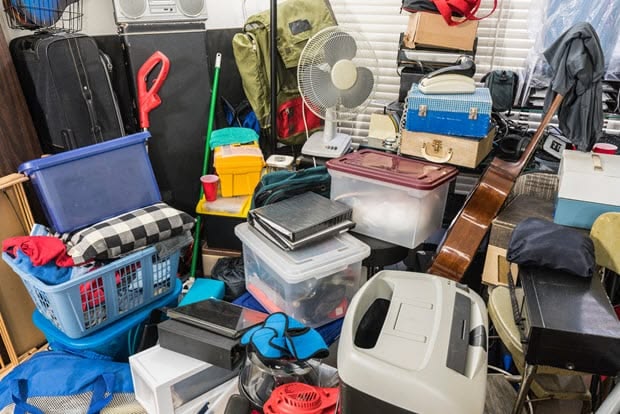
Volume changes everything. What takes one person months, a crew can finish in days. Severe hoarding can fill entire rooms, which is hard to face alone.
- DIY: Slow, physically draining, and easy to abandon at scale.
- Professional: Coordinated crews that remove large volumes quickly.
- Faster return to a safe, usable, and functional home.
- One coordinator manages the whole job from start to finish.
Speed matters when a deadline, a sale, or a safety order is involved.
Expertise and Process
Professionals follow a proven process, while DIY relies on general tidying. Structure is what makes cleanup stick. Repeatable methods also mean fewer mistakes and missed hazards.
Professional cleanup usually runs in clear steps:
- Assessment and a tailored plan.
- Sorting with keep, donate, recycle, and discard choices.
- Removal, deep cleaning, sanitization, and follow-up.
In addition, teams coordinate with donation centers, recyclers, and disposal sites so nothing piles up again. This careful handoff is part of why professional results tend to last.
Cost and Time Investment
DIY costs less in money but far more in time and emotion. Professional help flips that balance. The right choice depends on the size of the job and what your time is worth.
- DIY: A few hundred dollars in bins, bags, and a dumpster, plus many weekends.
- Professional: Higher fees, but faster, safer, and far less draining.
- Cleanups often range from about $1,000 for light jobs to $25,000 or more for severe ones.
Reputable providers give clear, upfront quotes so there are no surprise charges later.
Outcomes and Long-Term Results
The goal is a home that stays safe and usable. As a result, the approach you choose shapes how long the results last. Quick fixes that fall apart are not really fixes.
- DIY: Partial progress, frequent restarts, and clutter that creeps back.
- Professional: Safe, functional spaces built to be maintained.
Either way, lasting success depends on new habits and ongoing support to prevent recurrence. Routine check-ins and small daily habits keep a cleared home from filling up again.
When to Choose DIY vs Professional Help
Match the approach to the severity, the risk, and your emotional bandwidth. Be honest about all three, since pushing past your limits rarely ends well.
Choose DIY If
- Clutter is mild, and the home is still safe.
- Volume is manageable, and you have the energy to finish.
- You feel calm and capable about sorting your own things.
Choose Professional Help If
- The home is unusable or unsafe to move through.
- There are biohazards or hoarding tied to mental health.
- The task feels overwhelming or keeps getting abandoned.
- Pests, mold, or strong odors are present in the home.
Final Recommendation
For mild clutter, DIY decluttering works well. For severe, unsafe, or mental health-related hoarding, professional help is essential. There is no shame in asking for help with either one. The strongest results pair professional cleanup with therapy or counseling, since hoarding is a long-term condition. If you are unsure, a free assessment from a compassionate provider is a safe first step. Combining cleanup with counseling gives the best shot at a home that stays well.
If the job feels bigger than a weekend, LifeCycle Transitions can help. The Hoarding Cleaning Services are compassionate and move at your pace. Trained, insured technicians sort, safely remove, deep clean, and sanitize. Nothing is discarded without your say-so.
Every job starts with a free, judgment-free assessment and upfront pricing. LifeCycle Transitions can also connect you with counseling for the road ahead.
